
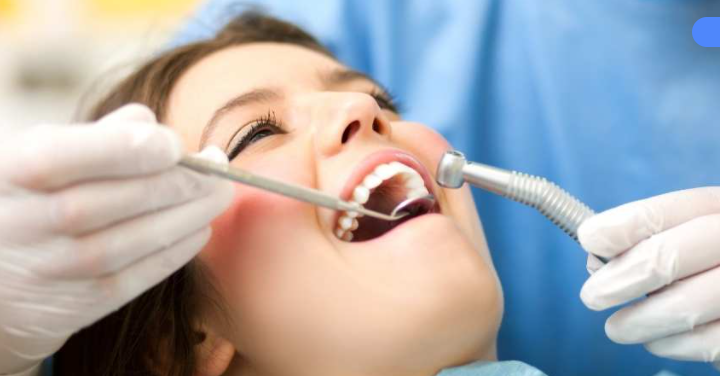
Also known as porcelain laminate, laminate porcelain veneers are porcelain tooth designs that eliminate aesthetic appearance concerns, specially prepared according to tooth fractures and deformation, and bonded to the front surface of teeth. Laminate dental veneer applied without any adhesion to teeth is a thin, semi-permeable layer that shows perfect fit and sensitivity. Porcelain laminates that are close to the appearance of teeth are quite durable and do not break easily despite having a thin structure. Lost tooth tissues are regained with laminate porcelain veneer, which is preferred as the method with minimal loss of intact tooth tissue.
Many people do not apply regular care to their teeth and over time their teeth begin to change color. After a certain period, an appearance far from the desired whiteness is obtained. If the desired color is not achieved in teeth whitening procedures, laminate dental veneer is done to make teeth appear white. This method is applied to make unhealthy, deconstructed, broken and stained teeth look better, to combine gaps between front teeth, to correct the appearance of worn teeth. After root canal treatment or after filling drop, teeth may darken. Coating methods are used to eliminate these black areas and prevent the impression of visible black from outside.
With technological developments, treatments related to teeth have begun to be offered with different options. Many different treatment options such as root canal treatments, coating options and prosthesis applications are offered for people experiencing problems with their teeth. Due to neglect of dental care and controls, tooth whiteness and appearance come as one of the areas where problems are most frequently experienced. Laminate dental veneer and similar treatments are usually applied after neglecting dental care and controls. Dental veneers are preferred in cases of different color formation on teeth, damage to tooth enamel, gaps between teeth, crooked teeth, and situations like decay or breakage in front teeth.
Coating teeth has been among the most preferred treatment methods recently. Dental treatments, which is a field following technological developments, and instrument productions for them enable more efficient procedures for dental treatments. As a result of these technologies, treatments made using different dental coating materials are observed. Those curious about these coatings ask how laminate teeth are made. This treatment process is preferred when teeth need treatment before laminate dental veneers are made. After necessary treatment is done, measurements of teeth are taken. Laminate dental veneers are measured precisely and specially produced for teeth. These coatings are fixed in place with special material after coating materials are produced.
What is Laminate Dental Veneer ?
Depending on age and oral care, teeth may lose their color and durability. Over time, weakened teeth may become worn and broken. In such cases, lost teeth can be regained with the help of aesthetic dentistry. At the same time, people with aesthetic concerns may want their teeth to have an eye-pleasing appearance. Again at this stage, laminate dental veneer or full ceramic coating options can help. Porcelain dental veneer should be done to eliminate aesthetic problems, preferred to correct incompatible teeth, eliminate color incompatibility, align front teeth and eliminate other aesthetic and functional disorders.
Laminate coating method is usually applied to people with aesthetic appearance disorders in their front teeth. To perform these procedures, the patient must be over 18 years old. All dental diseases must be treated before starting dental coating procedures. In cases where the patient has no dental discomfort, laminate dental veneer procedures will be completed in 2 or 3 sessions. The duration takes about 1-2 weeks. In the first session, teeth are protected and measured. In the second session, laminate veneers are bonded to the tooth. In the third session, a general inspection is made. If laminate veneers are bonded in place, they will not fall off again.
Before the laminate dental veneer procedure, the person's teeth are analyzed and problematic teeth are identified. First, necessary interventions are made to these teeth and a situation where the porcelain layer can settle is created. Then the porcelain layer begins to be prepared for application. The porcelain layer is prepared from as thin a layer as possible. The thinness of this layer can be considered as an advantage rather than a disadvantage. As the porcelain layer thins, light transmittance also increases. An aesthetically pleasing appearance and naturalness also come to the fore with laminate dental veneer treatment. Then the process of abrading teeth for coating begins. During tooth abrasion, size reduction, aesthetic deterioration or similar situations are not in question. This process is completed by giving the tooth its ideal shape.
For patients with permanent yellowing on their teeth, abrasion on teeth is of great importance. Since these patients consume a lot of cigarettes, coffee and tea, a layer of different color forms on their teeth. Naturally, abrasion is necessary to remove this layer and make the porcelain coating more aesthetic. After the laminate coating procedure, the patient gains more durable teeth in every aspect. In fact, the situation of the patient who experiences tooth color problems depending on eating habits after coating largely disappears. However, the patient should not trust this situation and should not neglect dental care.
People who want to have laminate coating should choose the right clinics in this regard. Coatings that are properly applied, made of quality material and seriously tested will not be damaged for many years. On the other hand, poor quality coating procedures may cause a bad appearance on the tooth after a certain period.
Coating and treatment applications are much more long-lasting with the purpose of not damaging the natural structure of teeth. Additionally, coating the tooth with porcelain increases its durability in every aspect. Although porcelain is known as a fragile material, it is even among the motor materials used in heavy industry today. Therefore, the porcelain layer used on teeth provides additional support against external factors.
Other treatments and aesthetic applications applied to teeth may begin to deteriorate after a while due to eating habits. In laminate coating, the opposite of this situation is true and it can be used for a long time with minimal deterioration. It is not possible to remove laminate coating from the tooth with individual efforts or various factors. The strength of the adhesive applied for coating is quite high and diamond milling application must be used to separate it from the tooth. This application that can be done can only be performed by specialized dentists.
How is Laminate Dental Veneer Done?
For the laminate coating application to be performed, certain analyses regarding teeth must first be done. The analyses more clearly reveal what kind of coating the tooth needs. Coating starting with abrasion on the tooth surface ends with taking measurements, mockup application, temporary coating and application of laminates. The patient then comes for regular control and the coating is made to last longer.
Perhaps one of the most important stages of laminate coating treatment is the abrasion of the front surface of the tooth. Abrasion is necessary for the laminate coating to be more durable, longer-lasting and more natural-looking. It is a very thin and sensitive process. The structure of the tooth must be well known and action must be taken in this direction. During abrasion, it is not possible for the tooth to shrink or look like a different tooth. Only the unnecessary and harmful layer on the tooth surface is removed from the tooth. This way the coating adheres better to the tooth.
Temporary coating gives very detailed information about how quality and permanent the laminate application will be. Temporary coating is not done directly with porcelain and a different material is used. Coating problems that occur or may occur in the future on teeth are detected with temporary coating on teeth. Then necessary interventions are made to eliminate these problems and the quality of the procedure to be done is further improved.
Based on the results obtained from procedures such as taking tooth measurements, mockup and temporary coating, porcelain begins to be prepared in the laboratory. The prepared porcelain must exactly fit the measurements. Therefore, the laboratory process can occur long and detailed. Porcelains ready for bonding are applied after being waited for a while.
A very meticulous application should be done in bonding porcelain laminate. The smallest mistake made during bonding may cause the laminate coating to deteriorate in subsequent procedures. The better the bonding process, the longer the patient will have a permanent coating.
As in normal dental polyclinics, dental examination is also necessary before laminate coating treatment. In the examination, teeth are first observed from outside. This observation is the examination of the layer formed on the tooth surface that disrupts the aesthetic appearance.
Dental X-ray is taken for tooth roots and inflammation research. During dental X-ray, tooth and mouth structure are revealed in more detail. After all this data is obtained, a plan is made about how the treatment will be applied.
Treatment planning is very important regarding how laminate coating will be applied step by step. First, details about how the patient's tooth measurements will be taken, problems that may be encountered during tooth measurement, how problems occurring in teeth or gums will be eliminated are determined in the treatment planning.
Recovery Process After Laminate Dental Veneer
During laminate coating application, experts work with great care in placing the coating on the tooth. The care of the porcelain placed on teeth after coating should be the same as the care shown by experts. The patient must comply with all care and cleaning details after treatment. Otherwise, coatings that are not well cared for in early stages and therefore have problems fitting on the tooth may encounter serious problems in the future.
Things to Pay Attention to with Laminate Dental Veneer
Do These
Cleaning and care of laminate coatings is a procedure requiring sensitivity. After coating, the patient should constantly clean and protect their teeth with various materials, especially for 2 weeks. Teeth should be constantly cleaned using dental floss and mouth grill. These materials should be used after every meal and teeth should be carefully cleaned from food residues.
Mouthwash is also very important for cleaning and care of teeth after lamination. The mouthwash given by the doctor performing the procedure should be applied effectively to teeth at least 2 times a day.
Avoid These
If the person has nail biting habit, they should first get rid of this situation. First having laminate coating and then overcoming nail biting habit is extremely difficult and risky. Therefore, this habit should be completely abandoned and after coating, nails should not be bitten with porcelain coated teeth. Another important issue in cleaning and care after application is the way of brushing teeth. Teeth should be brushed with extremely sensitive and oval movements. If the person does not have clear information on this subject, they must definitely get professional support and then apply the laminate coating procedure to their teeth.
Nutrition After Laminate Dental Veneer Operation
Front teeth are areas that need attention during this process. All kinds of hard, shelled foods or substances that will damage the tooth structure should be kept away from front teeth in this procedure. Otherwise, the coating that has not fully settled yet may deteriorate or cause a bad appearance. Some patients may constantly clench their teeth in their sleep or unconsciously damage their teeth in various ways during sleep. After coating is done, precautions must be taken for 2 weeks. The dental plates used in this minimize the damage the person will give at night. During the first 2 weeks, the patient should go for dental control 4 times. After the 2-week period, dental control should be passed every 6 months.